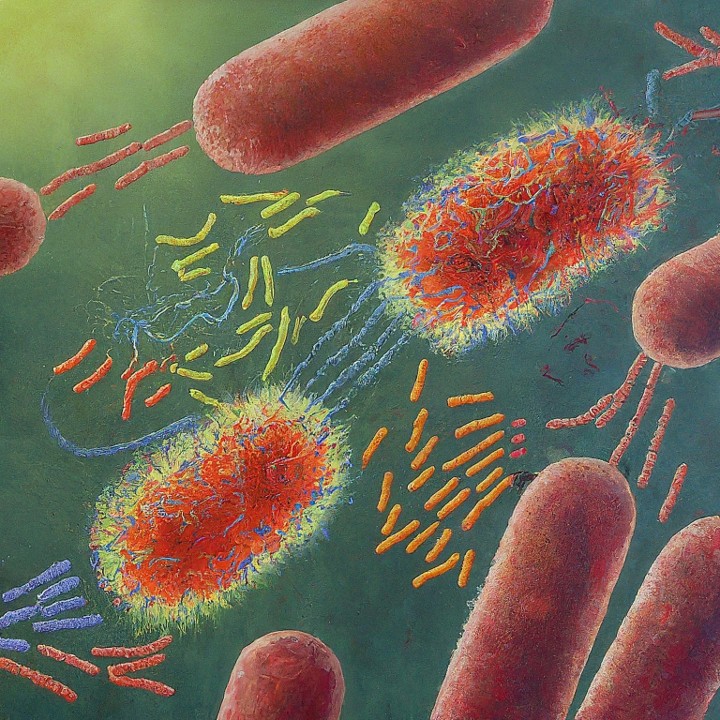
My third research area, growing out of my participant observation in a biosensor laboratory at RPI as part of my postdoctoral position, critically examines biohybrid environmental monitoring technologies. Through ongoing interviews with synthetic biologists, microbial ecologists, and electromicrobiologists, this developing project explores the history and politics of scientific research into microbial biosensing and remediation, examining the epistemic cultures and ethical commitments of scientists working at the frontier of microbial science and technological application. My co-authored article, currently in press, in World Futures Review translates STS critiques of the Anthropocene to Future Studies by offering a historical, ethnographic, and philosophically speculative discussion of novel electrical bacteria as critical figures for thinking beyond reductive framings of environmental futures. I plan to submit an article to Social Studies of Science drawing on this research in Spring 2026. This paper explores how different related disciplines frame electrical bacteria as foundational models or biotechnologies and, further, their relationship to different forms of epistemic valuation and research assetization. I argue that these factors shape diverging disciplinary ethics and conceptions of electrical bacteria as scientific or technical objects.
 N. Bucky Stanton, PhD