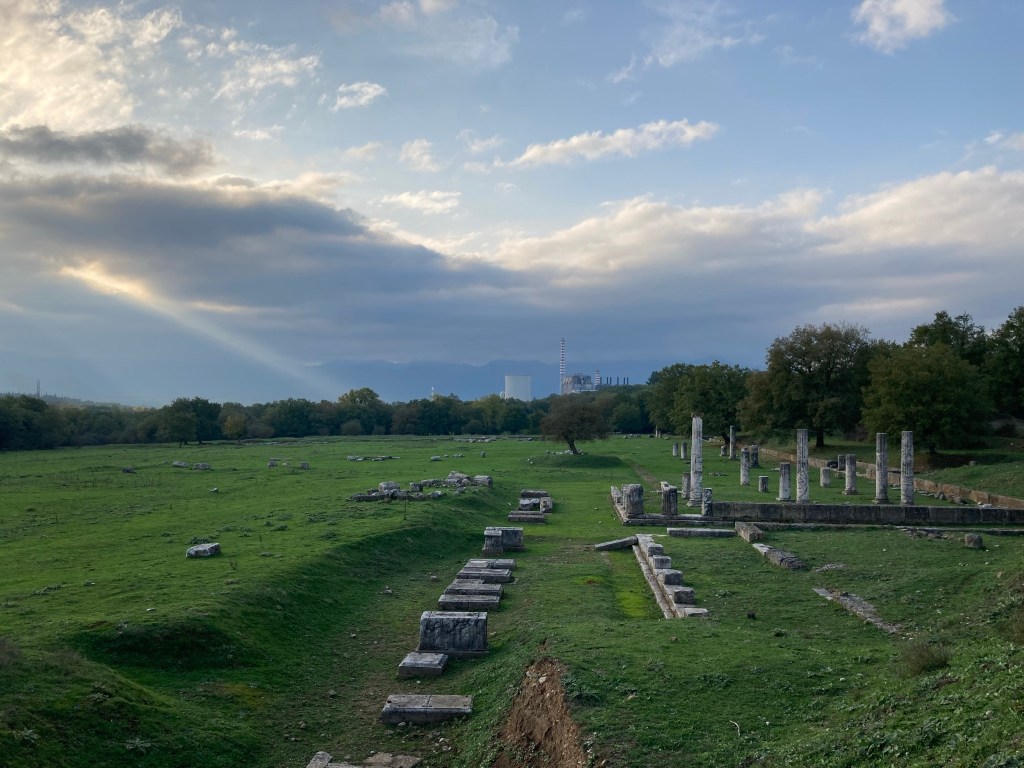
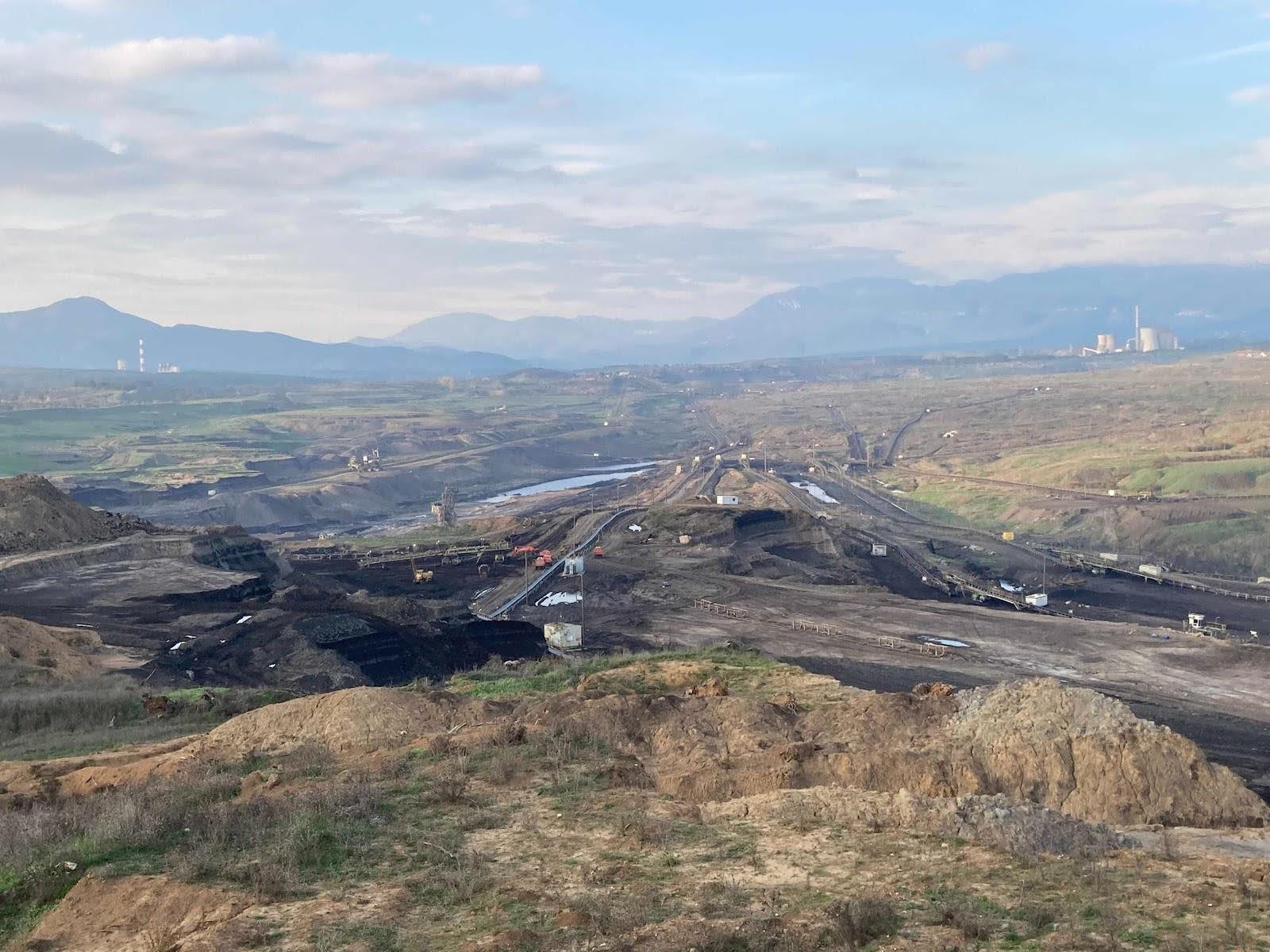
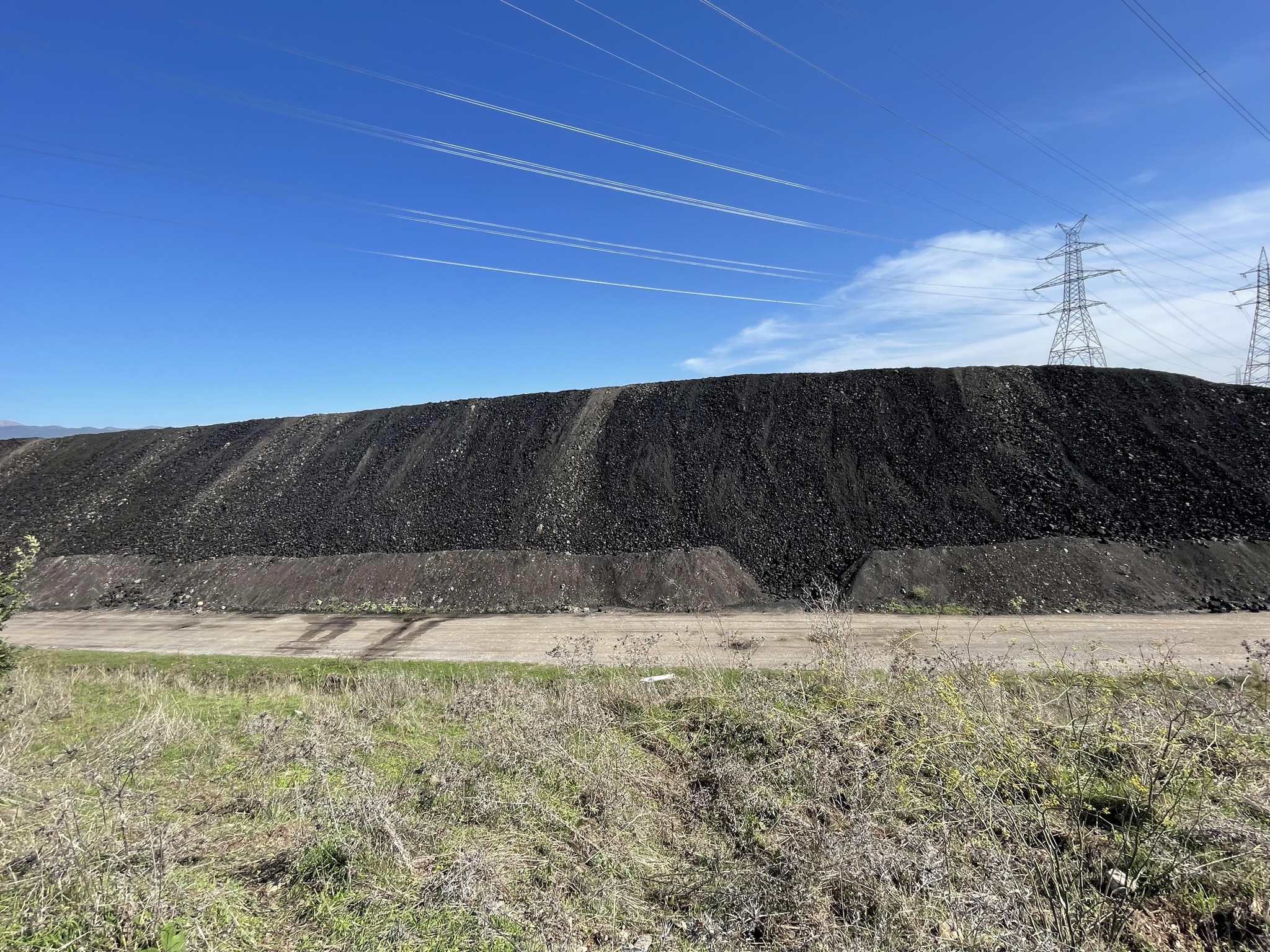
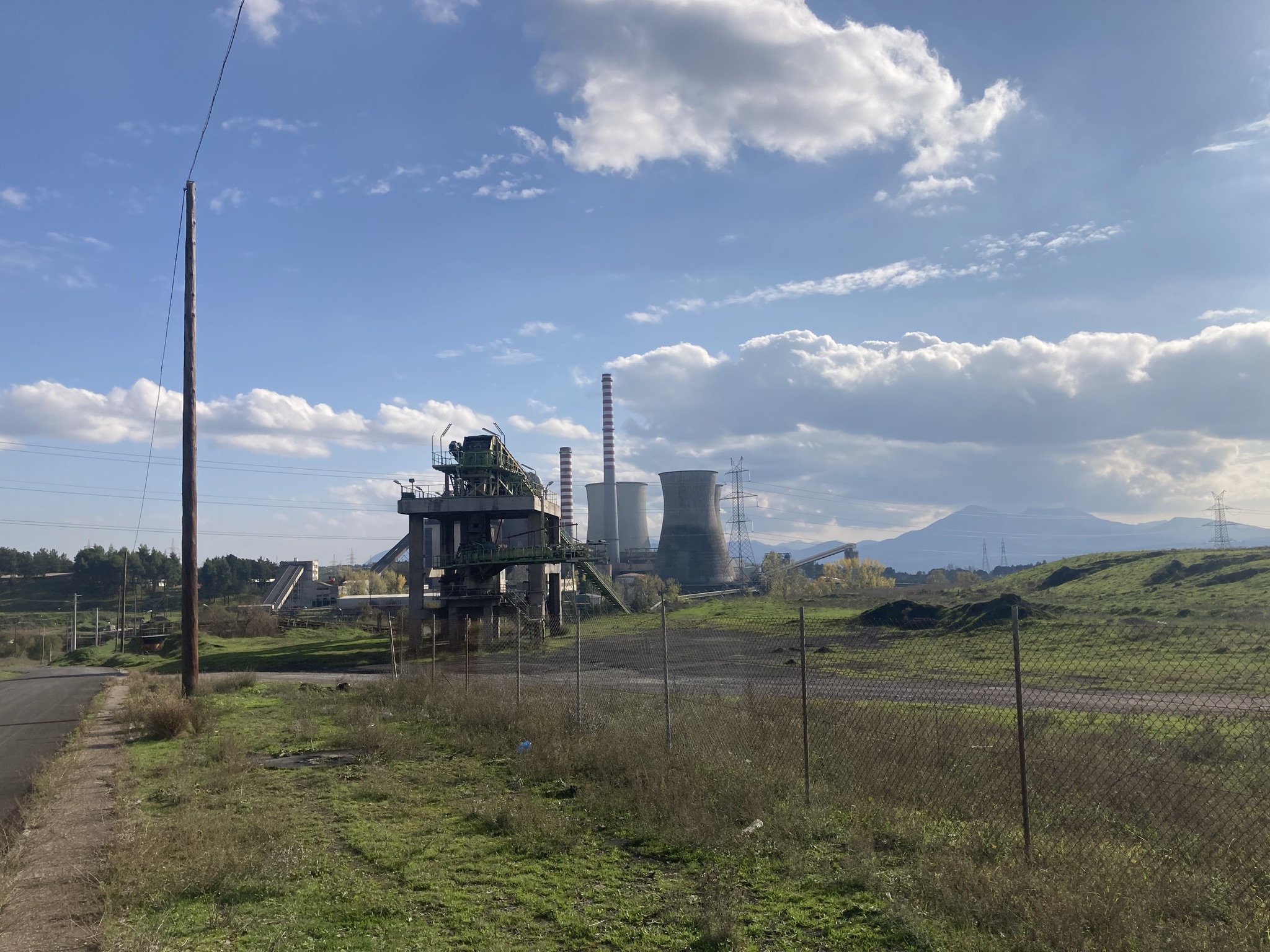
My first book manuscript, After Lignite: Shallow Pasts, Dead Futures, and Energy Transition in Greece, tackles this question by arguing that renewable energy transitions are not merely infrastructural rearrangements, but profound interventions into the temporal relations that anchor people and place. Drawing on extensive archival research, I follow Greece’s post-war quest for national independence to the town of Megalopolis in the central Peloponnese. I explore the transnational sciences that transformed some of the world’s poorest-quality lignite coal into a domestic energy resource that rendered the ancient topos of Arcadia modern. I term this mutual development of extractive infrastructure and historical relations “the making of the lignite landscape.”
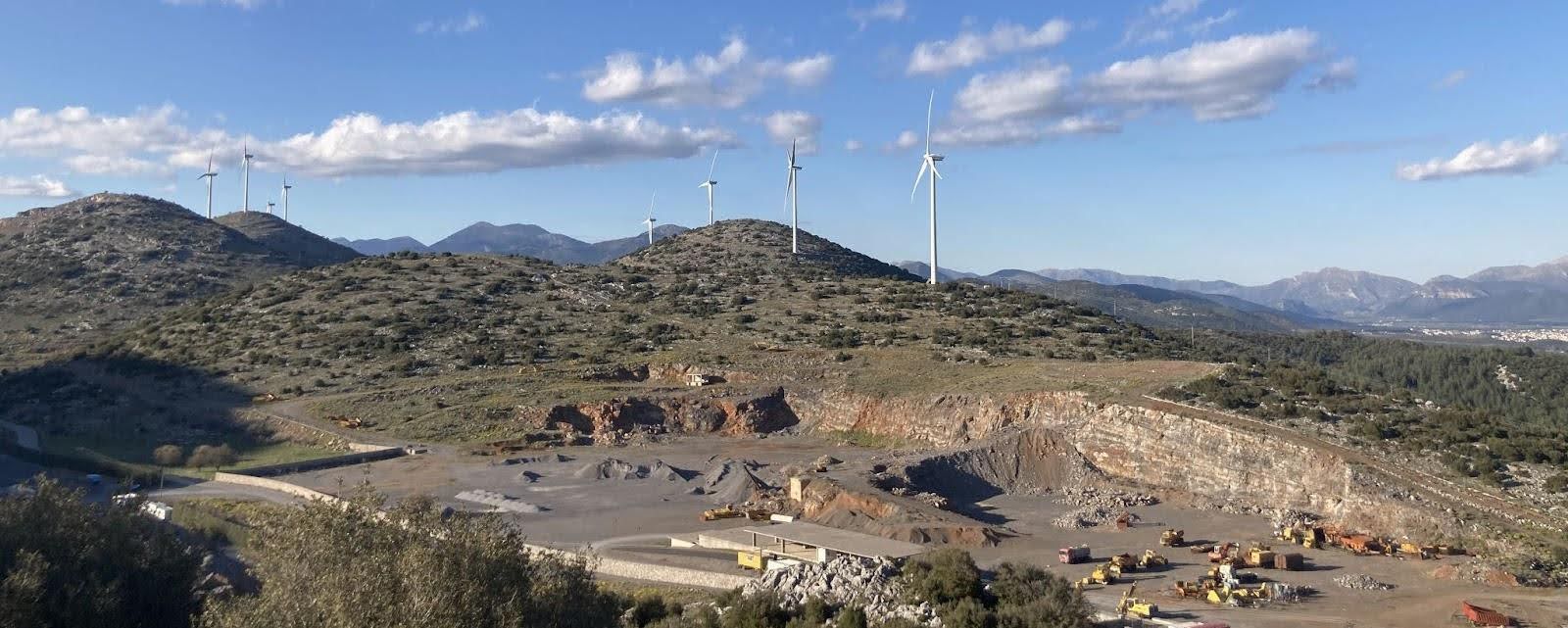
Shifting to ethnographic analysis, I then detail the “breaking” of this landscape by supranational policy and financialized renewable development. I track the shifting governance of archaeological and paleontological matter amid mine closures, alongside the despairing future imaginaries produced by contentious wind turbine development. Through these conflicts, I reveal the temporal politics underlying the near-universal resistance to the so-called “Just Transition” in the area and the hope for a local, reconciliatory, future. Overall, I argue that the making and breaking of the lignite landscape demonstrates how the energies and cultures of the global transition are co-constituted within uneven relations to time and history.
 N. Bucky Stanton, PhD